

Helping People Rebuild with Dignity
“Children are an especially important part of this conversation. When a family loses stable housing, children experience that instability too. My community work has also given me firsthand experience supporting women and families who needed a safe place to begin rebuilding their lives.”
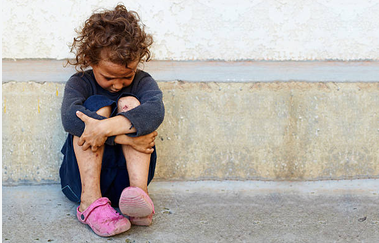

“My commitment to this issue is also personal. In my community work, I have helped women who had experienced abuse and were left without a safe place to go. I opened my own home to provide a safe space and support while they began rebuilding their lives. That experience reinforced for me that homelessness and housing insecurity are often about much more than having a roof over one's head—they are about safety, dignity and having a pathway back to stability.”
1. How do I see the homelessness situation in Mississauga today?
Homelessness is a serious concern in Mississauga and across Peel. It is not simply a question of providing a temporary bed. People experiencing homelessness may also be dealing with unaffordable housing, job loss, family crisis, mental-health challenges, addiction or other circumstances that require different kinds of support.
As a licensed paralegal, I understand the importance of housing stability and the landlord-tenant system, including the challenges that can arise when tenants are at risk of losing their housing. I believe prevention is important, while recognizing that homelessness also requires effective emergency and long-term supports.
We need a compassionate but practical approach that protects the dignity of people experiencing homelessness while also maintaining safe, clean and accessible public spaces for everyone.
2. What specific actions would I take or support if elected?
I would support practical solutions that help people move from homelessness to stable housing, including:
- Expanding emergency shelter and transitional housing where there is demonstrated need.
- Supporting permanent affordable and supportive housing.
- Strengthening street outreach so people can be connected with housing, health and social services before a crisis becomes worse.
- Supporting accessible mental-health and addiction services that are connected to housing.
- Working with community organizations that already have experience helping vulnerable residents.
- Supporting prevention measures for residents at risk of eviction or losing their housing.
- Ensuring that homelessness responses also consider the safety, cleanliness and accessibility of neighbourhoods and public spaces.
I also believe public dollars must be used responsibly. Residents should be able to understand where money is being spent and what results are being achieved.
3. How would I work with the Region of Peel, the Province and local agencies?
The City of Mississauga cannot solve homelessness alone. Peel Region has the primary responsibility for planning, funding and overseeing the affordable housing and homelessness system, while the Province has an important role in health, mental-health, addiction and housing programs.
As a City Councillor, I would work collaboratively with all levels of government, housing providers and local agencies rather than working in silos.
I would advocate for appropriate provincial and federal investment in supportive housing and wraparound services, while also supporting Peel's efforts to expand integrated mental-health and addiction services in Mississauga.
My approach is simple: housing, support and accountability must work together. We need to help people move from crisis to stability while making sure our communities remain safe, welcoming and well cared for.
Supporting Housing While Protecting Our Community
In Ward 2, the Creekside Apartments supportive-housing project in Clarkson has understandably raised questions and concerns among some residents, particularly about neighbourhood safety and the wellbeing of children and families in the surrounding community.
I believe we can approach this issue with both compassion and common sense. People experiencing homelessness, mental-health challenges or addiction often face significant vulnerability themselves and deserve dignity, appropriate housing and access to the supports they need. At the same time, residents deserve to feel safe in their neighbourhoods, and children should be able to walk to school and use their community without fear.
My commitment is to listen to both sides, advocate for appropriate supports and services, and work with Peel Region, the City, local agencies and residents to ensure that safety, accountability and community wellbeing remain priorities.
Compassion and community safety should not be competing goals. We can work toward both.